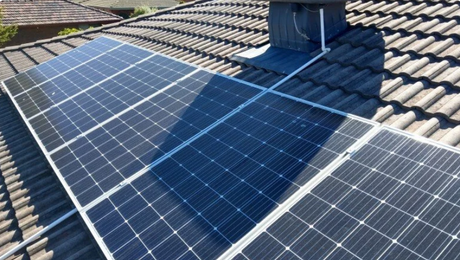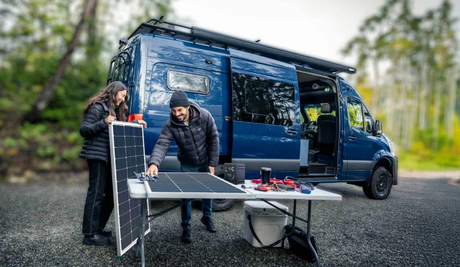


Summer is the ideal season to maximize solar energy production, as photovoltaic cells receive direct sunlight for extended periods each day. In winter, however, electricity generation tends to decline due to reduced sunlight intensity.
This seasonal decrease becomes particularly challenging in countries like Canada, where winters are long and severe. Much of the country remains snow-covered for over six months of the year, earning it a reputation as a snowy nation. Snow on solar panels blocks sunlight, reducing their efficiency and requiring increased maintenance—posing a significant concern for many residents during colder months.
Let’s explore this subject in further detail.
Do Solar Panels Work in Winter?
If you are searching for a quick answer to this question, it is a big YES. Solar panels can generate power during the winter. In fact, winter is more feasible for PV panels to reach their full potential and produce power more efficiently. Isn't it amazing?
Solar panels don't work in winter. It is a common myth that needs to be addressed with facts. The solar panel output is improved in cold climates, and it produces more electricity for each hour of sunshine. Though days are shorter in winter, each shiny hour contributes to effective power generation.
Since PV panels capture sunlight and turn it into electrical power, they don't have anything to do with the air temperature or the temperature in the surroundings. As long as sunlight is falling on your panels, they will continue to generate electrical power.

Solar Panel Output Winter vs Summer
As stated earlier, colder temperatures enhance the ability of PV panels to produce more power efficiently. The reason behind this fact is that the solar panel temperatures remain below the threshold in winter, preventing overheating and allowing for smooth, consistent electricity generation. However, shorter daylight hours still reduce the overall energy production of PV panels during this winter.
In contrast, summer provides longer daily sunlight exposure. Yet extreme heat can raise panel temperatures above the optimal range. It typically exceeds 77°F (25°C), reducing efficiency and limiting maximum potential output.
While snow cover and partial shading significantly reduce the output of conventional solar panels in winter, the Renogy Shadowflux series offers an innovative solution. Designed as the world's first anti-shading solar panel, it maintains consistent power generation even when sections of the panel are covered by snow, debris, or shadows.This outlining feature ensures reliable energy output over Canada's long, snowy winters with minimal maintenance effort.

How Does Snow Affect Solar Panels?
Many people worldwide, especially those who live in Canada, are often concerned about solar panels and snow. Are you also worried about whether or not solar panels covered in snow function properly? Well, snow does not usually directly affect solar panel structures, but it does affect electricity generation.
PV cells receive sunlight to generate power, but when snow covers the panel's surface, they don't receive proper sunlight as they do when the weather is not snowy. It leads to lower energy production during winter. The impact of snow on solar panels depends on the installation angles and the amount of snow covering their surface.
If you live in an area where frequent snowfall is normal, snow may stay on your panels and keep them covered for a long time. As a result, your solar power kit or system will not be able to generate enough power to meet your energy needs. It will cost you more in terms of electricity as your dependence on the utility grid will increase.
A small amount of snow on your panel may not have a significant impact on power production. It is usually cleared or removed naturally, depending on the installation angle.

Can Snow Damage Solar Panels?
As mentioned earlier, a small amount of snow does not really put significant weight on panels, so this is not an issue. In contrast, heavy snowfall can be a matter of concern for solar system owners, as the extra weight of snow puts added stress on the structure.
Other major risks of snow on PV panels include the formation of ice, structural stress, potential for panel damage, and uneven weight distribution. Advanced PV panels, like Longi Himo 7, Canadian Solar TOPBiHiKu 7, and Qcells Q.Peak Duo Blk ML-G10+, can bear a good amount of force (up to 5,400-8,100 pascals) exerted by the snow on panels.
Snow Is No More a Risk for PV Panels
Considering the advancements in technology, snow is now not a big issue for solar systems. Setting the proper angle at the time of installation can eliminate many potential issues (if not all). A steeper tilt angle is always recommended to protect your solar panels from snow during winter. A 50-degree angle will help the panels clear the snow automatically.
Snow needs extra attention for stand-alone and off-grid systems. In the case of modern solar systems, you can use a soft brush to remove the snow from the panel's surface. Don't forget to prioritize your personal safety.
Buying advanced panels, like Renogy solar panels, significantly reduces the risk of damage from snow. However, ice dams, ice buildup, and severe snow can create potential risks for panels and their internal components.
How to Keep Snow off Solar Panels?
Cleaning your panels maintains efficiency, maximizes the energy output, ensures safety, prevents damage, and offers long-term cost savings. Let's now look at the valuable tips for clearing snow on solar panels.
- Adjust a steeper angle: If you want snow to slide off automatically from your solar panels, adjust the angle between 45 and 60 degrees.
- Apply anti-stick sprays: Using anti-stick sprays develops a slippery surface on the panels and does not allow snow to accumulate.
- Remove light snow regularly: Use a roof rake to brush off light snow from your panels. Alternatively, you can use a soft brush. Removing light snow is very easy. It helps you prevent the accumulation of heavy snow.
- Clear heavy snow carefully: If heavy snow has covered your panels, use a squeegee or a plastic scraper to remove it. Avoid applying too much pressure and using metallic tools, as they may damage the panels.
- Install heaters: These heaters are specifically designed for melting snow on solar panels. If you live in an area with heavy snowfall, installing these heaters will be worth it.
Methods to Remove Snow From Solar Panels
Common snow removal methods are as follows.
- Manual removal: It involves the use of a soft foam-headed snow broom or roof rake to clean the panels.
- Snow guards: These guards help large snow sheets slide automatically off the panels.
Other methods include hydrophobic coatings, heated panels, and getting professional assistance if there is a risk of hazards. The ideal installation angle that prevents snow buildup is between 45 and 60 degrees, as mentioned earlier.

Best tools for brushing off snow from panels
The tools you can use to remove snow on PV panels without damaging them are:
- Soft bristle brush
- Plastic snow scraper
- Hair dryer
- Snow rake
Melting Snow for Solar Panel Clearing
Currently, some technologies have been introduced to melt snow and remove it from the solar panels, including built-in heating systems, heating cables, heat tape, and more. These technologies use some electric power to heat up the panels for snow removal. One issue these technologies can create is that when snow is melted, water will fall on the roof and will re-freeze.
Remember, melting snow and removing it from your solar panels with no human interaction is possible, but it is not a cost-effective solution, as you need to buy additional equipment, install it, and then maintain it. The cost you need to implement these solutions is more than the electricity production loss you experience due to solar panels covered in snow.
If your solar system is installed in a place where no one can remove the snow when needed, you can use these autonomous solutions only in this case. Otherwise, you can simply adjust a steeper angle and manually clear the snow regularly.

Conclusion
In cold countries like Canada, winter is always freezing, which is why people are concerned about whether snow on panels will allow them to function properly. Well, you might be surprised to know that solar panels perform more efficiently in winter than in summer. The potential reason behind this fact is that they don't get overheated in winter.
However, short sunny days in winter reduce overall energy production. Though snow covers the panel's surface and blocks sunlight, it does not cause any permanent damage to the panels. If you keep removing the snow on PV panels regularly and keep them well maintained with the right maintenance strategies, you will be able to get the maximum out of your solar system during winter.
Frequently Asked Questions
Should you clear snow off solar panels?
Yes, you should remove snow from your solar panels to help them absorb more sunlight and produce electricity efficiently. If you have installed self-heated solar panels with an ideal angled design, you may not need to clear snow manually.
How do you defrost solar panels?
The simplest method of defrosting solar panels is to wait for natural sunlight to melt the snow on them. If the sun is not shining brightly for a couple of days and snow has started accumulating on the solar panels, you can use a soft-bristled brush to brush off the snow on priority.
At what temperature do solar panels stop working?
Generally, solar panels don't completely stop working at a particular temperature value. However, a significant drop in performance can be observed at a very high temperature. If the temperature rises above 185 degrees Fahrenheit, most solar panels experience a noticeable drop in performance. Simply put, the power output of PV panels is significantly reduced in extremely hot conditions.


![Which Marine Battery is Right for You [2026 Guide]](http://ca.renogy.com/cdn/shop/articles/how-to-choose-marine-battery_5af35244-b269-4d22-8ef2-af84d70386ed.png?v=1777428541&width=460)